General Urology · Busan
Kidney Stone Treatment in Seomyeon, Busan
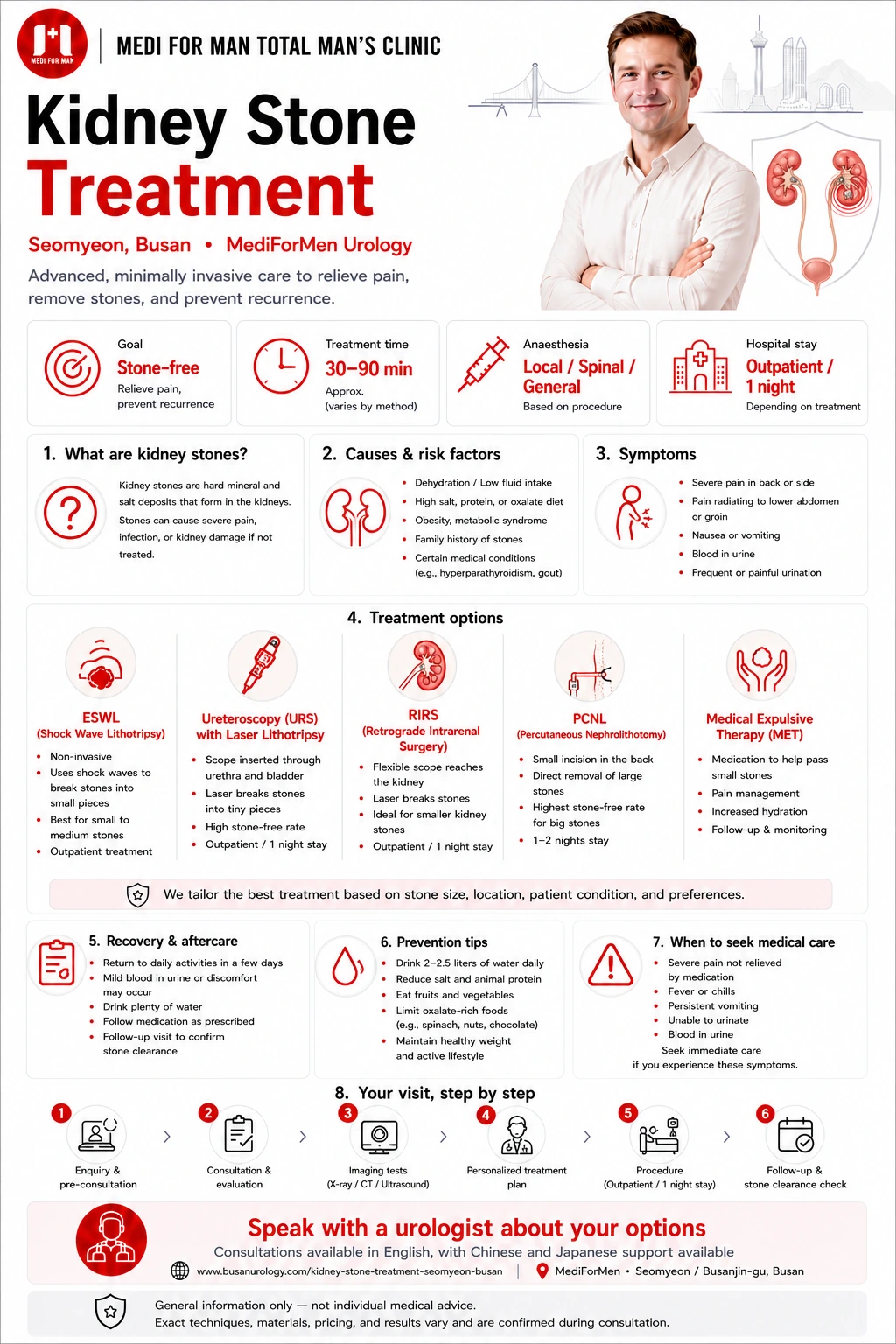
Kidney stones are treated according to size, location and symptoms — from fluids and pain relief for small stones that can pass, to shockwave lithotripsy or minimally invasive surgery (ureteroscopy) for larger or obstructing stones.
What it is
Kidney stones are hard mineral deposits that form in the urinary tract and can cause severe pain (renal colic), blood in the urine, or blockage and infection. Treatment depends on the stone: many small stones pass naturally with fluids and pain control, while larger, obstructing or symptomatic stones need active removal. Prevention matters too, because stones often recur.
Approaches & alternatives
| Approach | What to know |
|---|---|
| Conservative (pass naturally) | Small stones may pass with hydration, pain relief and sometimes medication to relax the ureter; monitored for progress. |
| Shockwave lithotripsy (ESWL) | Focused shockwaves break the stone into fragments that pass in the urine — non-invasive for suitable stones. |
| Ureteroscopy | A thin scope passed up the urinary tract removes or lasers the stone; minimally invasive, no external incision. |
| Percutaneous surgery (PCNL) | For large or complex stones, removal through a small flank tract. |
Who it suits — and who it doesn't
The approach is chosen by stone size, position, composition and symptoms, and by kidney function and infection status. Urgent treatment is needed if a stone causes blockage with infection. Assessment (including imaging) defines the safest, most effective option.
Evidence & honest expectations
Modern stone care is largely minimally invasive: many stones are managed without open surgery using lithotripsy or ureteroscopy. Because recurrence is common, dietary and metabolic advice to reduce future stones is an important part of good care.
Recovery & aftercare
Varies by treatment, from simply passing a stone with follow-up, to a short recovery after ureteroscopy or lithotripsy. A temporary ureteric stent is sometimes placed and later removed.
Risks & limitations
Every procedure carries risk and no result is guaranteed. The main considerations for this option include:
- Stone fragments or incomplete clearance needing repeat treatment
- Infection or bleeding
- Temporary stent discomfort
- Recurrence without prevention
This list is general; your personal risk depends on your anatomy, health and history, which is why informed consent after an individual assessment — not a web page — is what should guide your decision. A responsible clinic will spend as much time on the limits and risks as on the benefits.
What to expect at your consultation
A first consultation is a conversation and an examination, not a commitment. Expect a review of your history, goals and any relevant medications or previous procedures, a focused examination, and a frank discussion of which options genuinely fit — including the option of doing nothing or choosing a non-surgical route. You should leave understanding the realistic range of outcomes, the recovery involved and the specific risks for your case.
Useful questions to ask include: which approach suits my anatomy and goals, and why; what results are realistic, and how long will they last; what does recovery actually involve, and when can I travel and resume intimacy; what are the specific risks and how are complications handled; and what is the total, itemised cost with nothing hidden. Clear answers to these are a good sign; pressure and guarantees are not.
Warning signs and when to seek help
Whatever the procedure, you should be given clear written guidance on what is normal during healing and what is not. In general, contact the clinic promptly if you develop spreading redness or increasing pain, fever, unusual discharge or a wound that opens, heavy or persistent bleeding, or any symptom you were told to watch for. Early attention to a complication almost always makes it easier to resolve, which is why we keep aftercare contact open and why international patients are asked to stay reachable through the initial healing window.
Good aftercare is not an afterthought — it is part of the treatment. A clear plan, an accessible point of contact, and a scheduled review together do as much for your result as the procedure itself, so make sure you understand all three before you proceed.
Planning treatment from abroad
Consultations, scheduling, records and aftercare are coordinated in English, with Chinese and Japanese support available. Where it helps, a video pre-consultation lets a urologist review your history and goals before you travel, so your time in Busan is used well. For any procedure we help you build a sensible buffer around the first post-treatment review before you fly home, since flying too soon after some procedures is inadvisable. Bring or share relevant medical history, current medications and any records of previous procedures, as these change what is safe and recommended.
Confirmed clinic protocols, the specific devices or materials used, pricing and any outcome data are provided at consultation rather than quoted generically online, because responsible advice depends on examining you first.
Why see a men's health specialist
Men's urological and sexual health is a narrow, technical field where outcomes depend heavily on accurate assessment and honest expectation-setting. A specialist consultation distinguishes the conditions that look alike, identifies contributing factors that a quick fix would miss, and matches the least-invasive effective option to your situation rather than selling a single procedure. Where the right answer is reassurance or a non-surgical route, that is what a good clinic recommends.
Do all kidney stones need surgery?
How can I stop stones coming back?
Care at MediForMen in Seomyeon, Busan
MediForMen is a men's urology, reconstructive and sexual-health clinic in the Seomyeon / Busanjin-gu district of Busan — the city's central medical and transport hub, a short ride from Busan Station and Gimhae International Airport. The clinic is organised around a single idea: men's health is a narrow, technical field, and outcomes depend on accurate assessment and honest advice rather than one-size packages. That means matching the least-invasive effective option to your situation, and saying so plainly when reassurance or a non-surgical route is the better answer.
For international patients, the practical barriers — language, distance and coordination — are handled directly. Consultations, records and aftercare are supported in English, with Chinese and Japanese assistance available, and a video pre-consultation lets a urologist review your history and goals before you commit to travelling. Scheduling is arranged so your time in Busan is efficient, with a sensible buffer around the first post-treatment review before you fly home.
Everything on this page is general medical information. The details that must be specific to you and to the clinic — the exact technique or materials, confirmed pricing, and any outcome data — are provided after an individual assessment, because responsible advice depends on examining you first. The best next step, wherever you ultimately choose to have treatment, is a private consultation where these questions can be answered for your case.
Your visit, step by step
From first enquiry to aftercare
A clear, unhurried path designed for international patients — most of it can begin before you travel to Busan.
Enquiry & video pre-consultation
Share your history and goals in English; a urologist reviews your case remotely before you decide to travel.
Arrival & reception
Discreet check-in at our Seomyeon clinic with English-speaking coordination and privacy from the first moment.
Consultation & examination
A focused examination and an honest discussion of which options genuinely fit — including non-surgical routes or doing nothing.
Personalized plan & itemised quote
A written plan with realistic outcomes, recovery and a transparent, itemised cost — no pressure, no hidden add-ons.
Procedure
Performed by an experienced urologist under appropriate anaesthesia, with your comfort and safety prioritised throughout.
Aftercare & follow-up
Written aftercare, a clear point of contact, and a scheduled review — with a sensible buffer in Busan before you fly home.
Our clinic
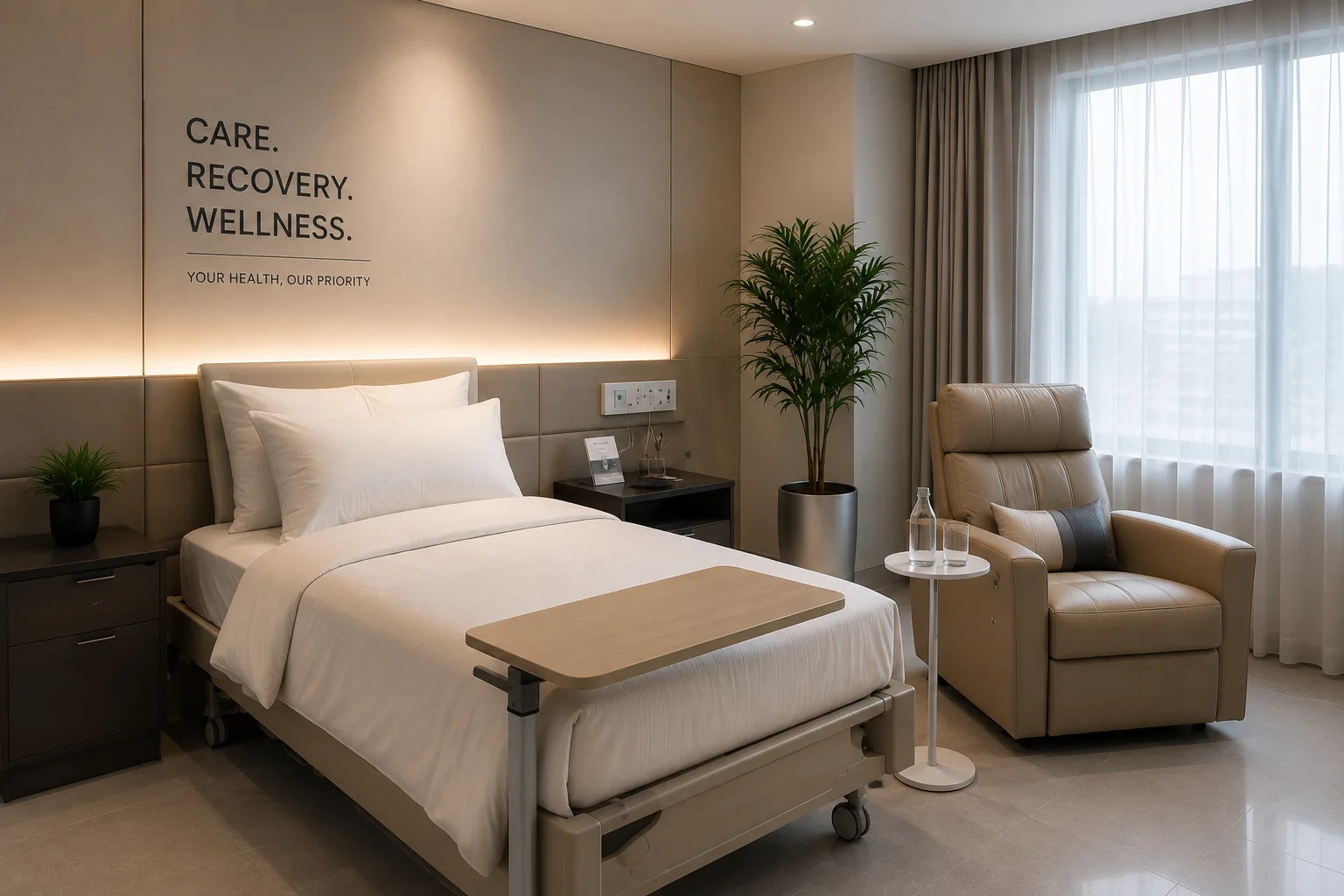
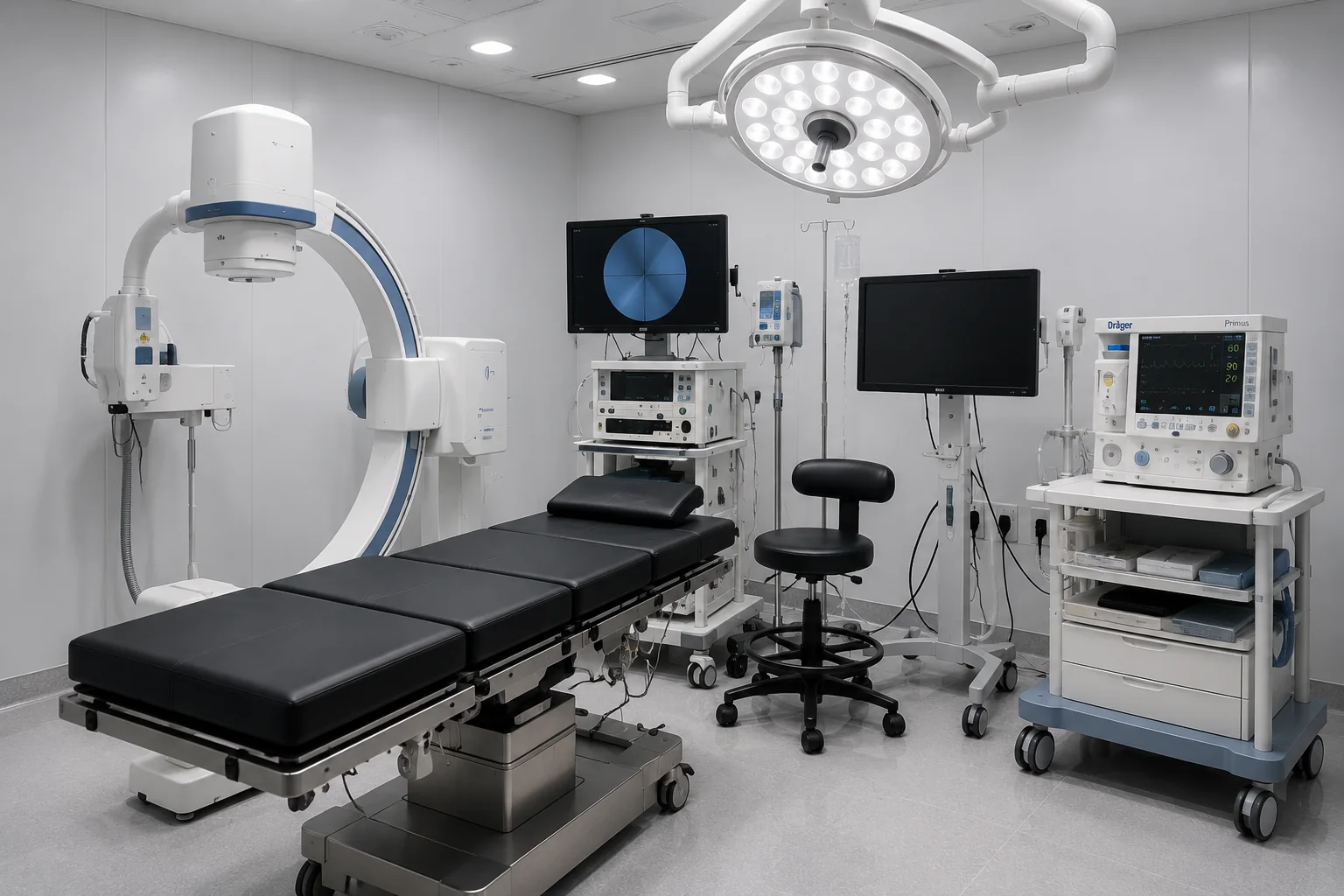
Inside MediForMen, Seomyeon
A private, purpose-built men's health clinic in central Busan.
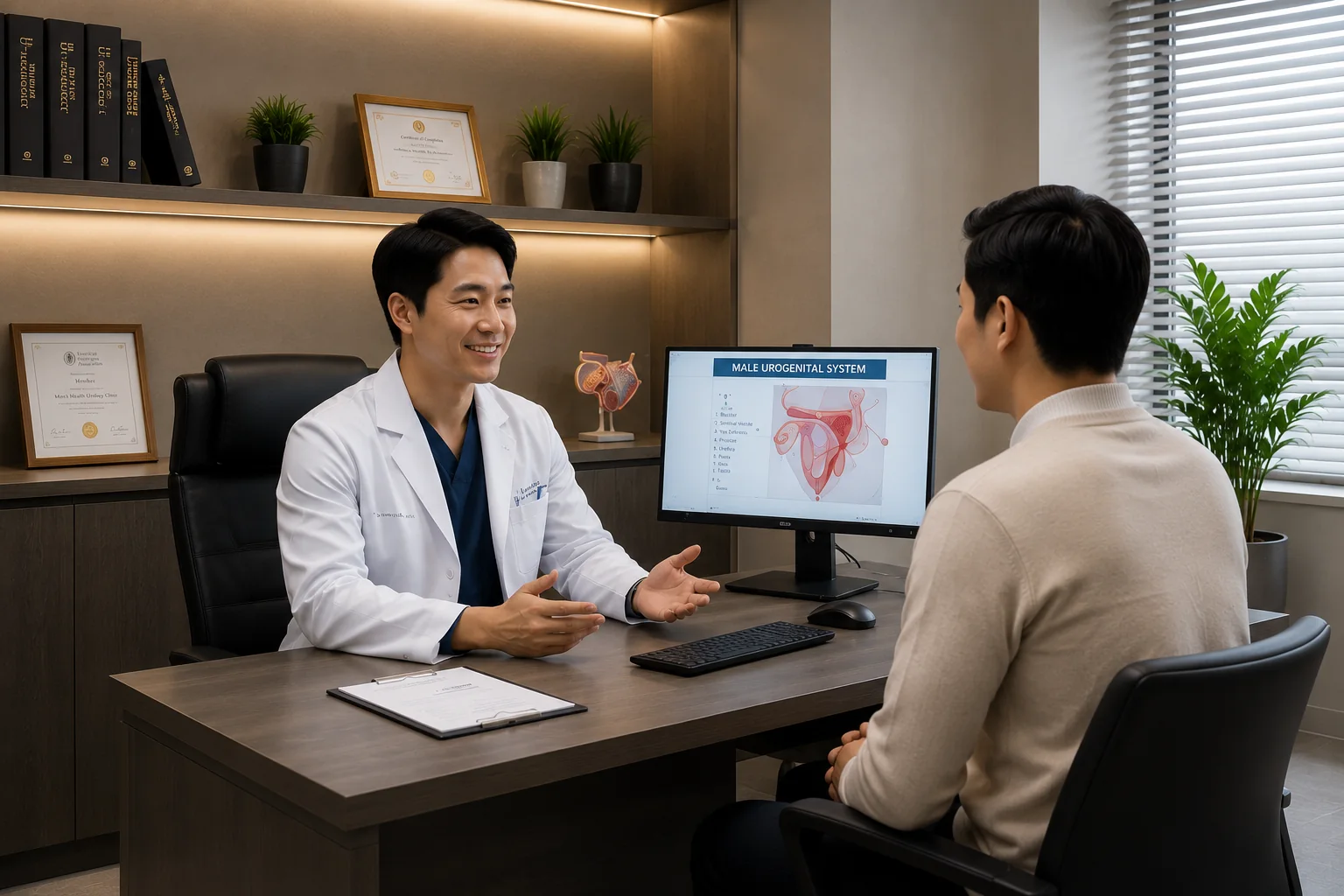 Reception & waiting
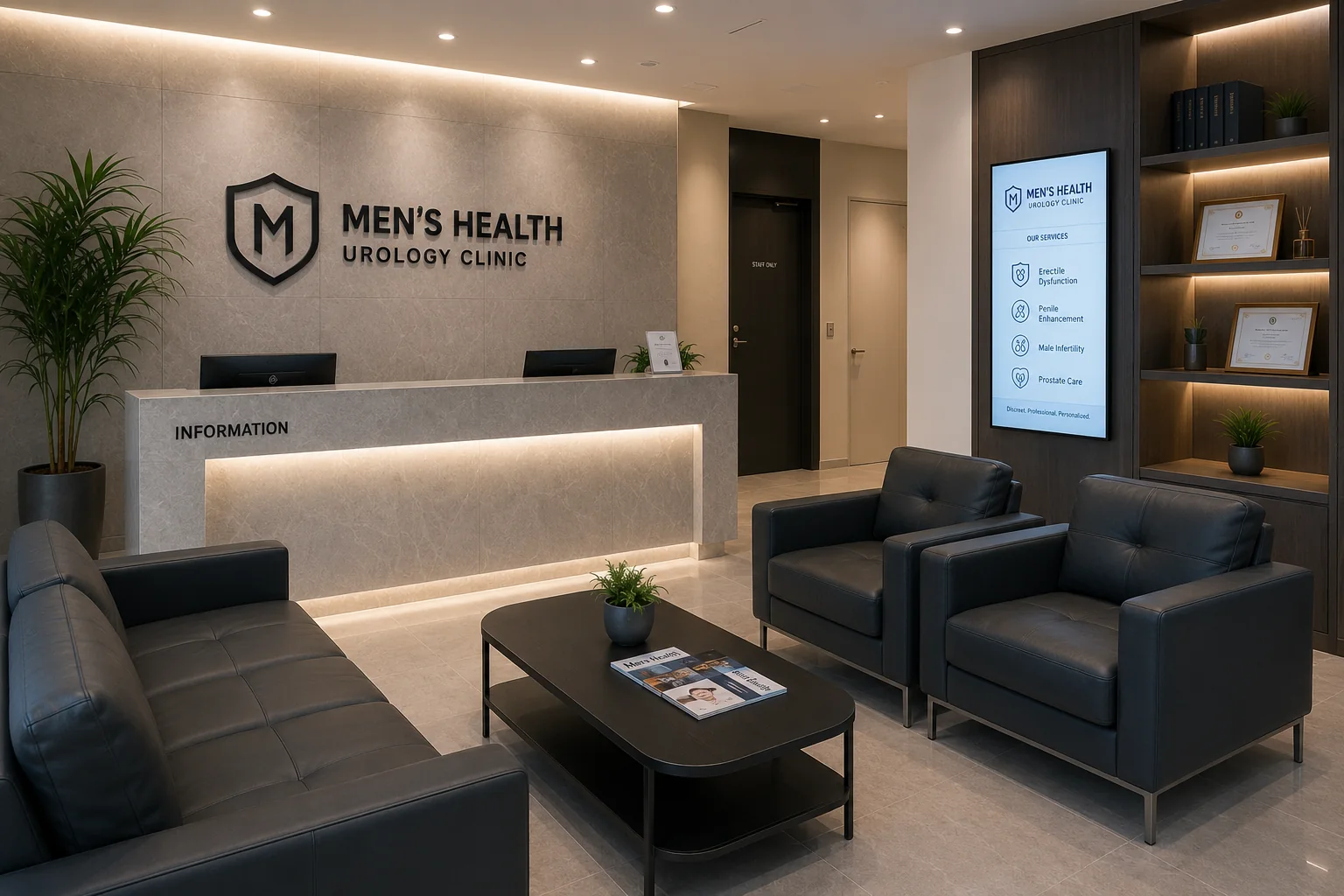 Consultation room
 Procedure room
 Recovery & aftercare
Your specialist
Meet your urologist

Director · Busan MediForMen Urology Clinic
Dr. Jung Bo-young · 정보영
- Urology — men's health & male genital surgery
- Circumcision · ED · premature ejaculation · vasectomy
- Penile & glans enhancement · lengthening · reconstruction
Kidney Stone Treatment in Seomyeon, Busan
Our clinic is based in the Seomyeon / Busanjin-gu area of Busan — the city's central medical and transport hub — a short ride from Busan Station and Gimhae International Airport. For international patients we coordinate kidney stone treatment in English, from first enquiry to aftercare, with Chinese and Japanese support available. If you are travelling to Busan for treatment, a video pre-consultation lets us plan before you arrive. See directions to our Seomyeon, Busan clinic or book a consultation.